
We carry hose, fittings, and a crimper on the truck. When a line lets go, we match your old hose and fabricate a new one on the spot — no waiting for a warehouse to ship a part number.
When a hydraulic hose fails, the fix isn't a universal part — it's an assembly matched to your machine. A hydraulic hose is specified by four measurements working together: inside diameter (the dash size that sets flow capacity), pressure rating and construction (wire-braid for standard working pressures, multi-spiral for high-pressure circuits), overall length measured seat-to-seat, and the end fittings — their type, thread, and clocking. Get any one wrong and the hose either won't seal or won't last.
On-site fabrication means all of that happens at your equipment. We read the failed hose, cut new hose to the correct length, install the matching fittings, and crimp them to the die diameter the fitting maker specifies. A properly crimped fitting is a permanent, leak-free connection — the crimp compresses the ferrule onto the hose to a measured outside diameter, not "until it looks tight." That precision is the difference between a hose that runs for years and one that weeps or blows.
The reason this matters in the Central Valley is simple: farm and construction equipment doesn't fail at a shop. It fails in a field, an orchard row, or a job site, mid-task, often at the worst possible time in the season. Building the hose where the machine sits keeps the repair from turning into a tow and a multi-day wait for a dealer to order a hose by part number.
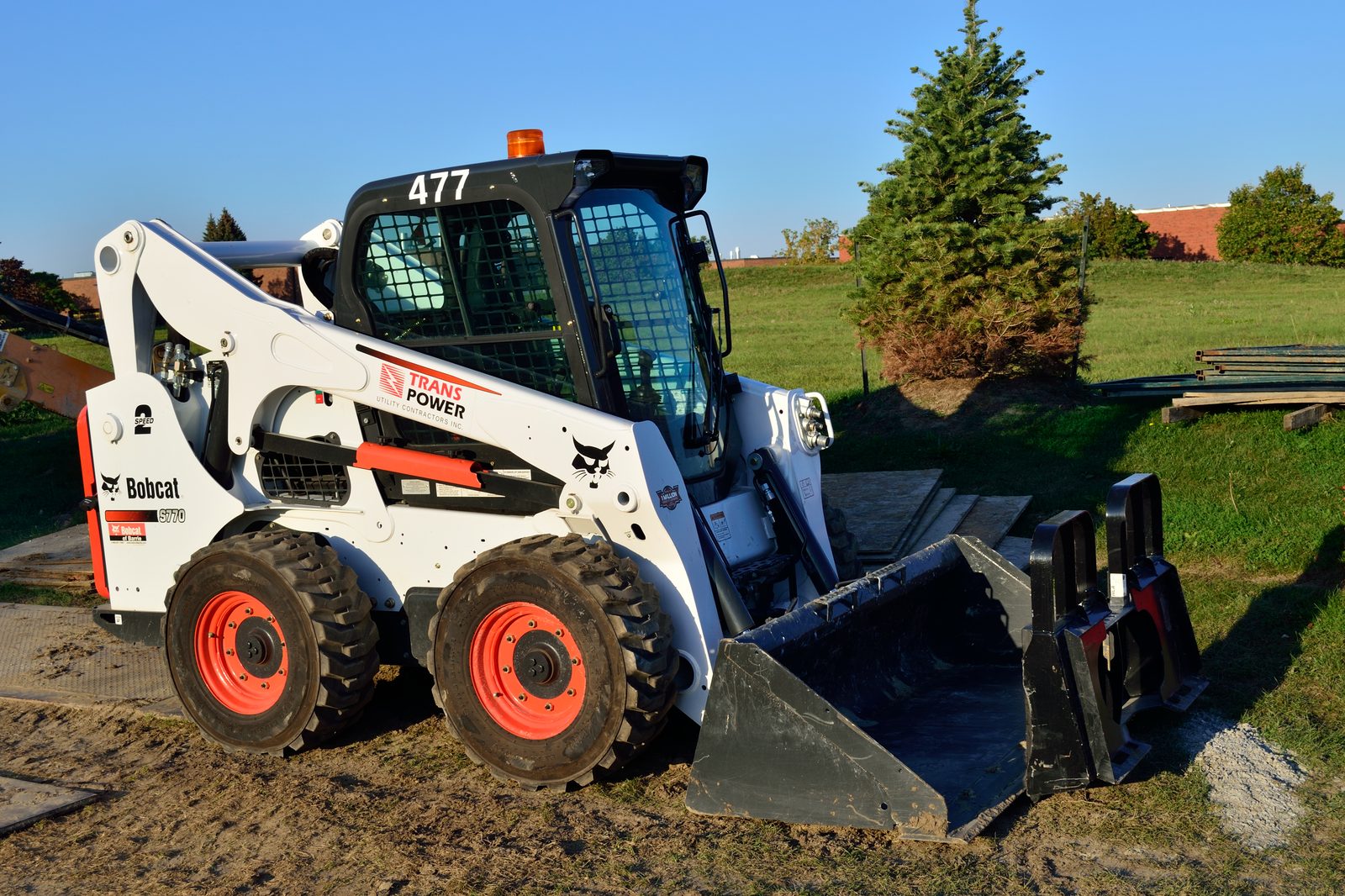
A hose assembly is only as good as the weakest of its parts. Here's what a correct build gets right.
Correct construction for the pressure. Wire-braid (100R1/R2) handles standard working pressures; higher-pressure circuits need multi-spiral hose. Matching construction to the circuit is what keeps it from bursting.
Fittings that match the ports. JIC, ORFS, SAE ORB, NPT, or metric — the end has to match what it threads into and seal on the correct surface (cone, flat face, or o-ring). Wrong fitting, guaranteed leak.
Length and routing that avoid chafe. A hose built to the right length follows the machine's routing without rubbing or stretching. Abrasion through the cover is one of the most common causes of early hose death.
On-site hose fabrication is one part of our full range of mobile hydraulic repair across Fresno County — call and we'll bring the right hose to your equipment.
Tell us the machine and what let go — we'll roll with hose, fittings, and the crimper to build it on-site.
📞 Call (559) 206-3899Tell us the machine, what failed, and the best number to reach you. We'll get back to you to help figure out the problem and next steps — no obligation.
For a machine that's down right now, calling is fastest — but if you'd rather we call you, just leave your info.
Quick and simple — phone is the only thing we really need.